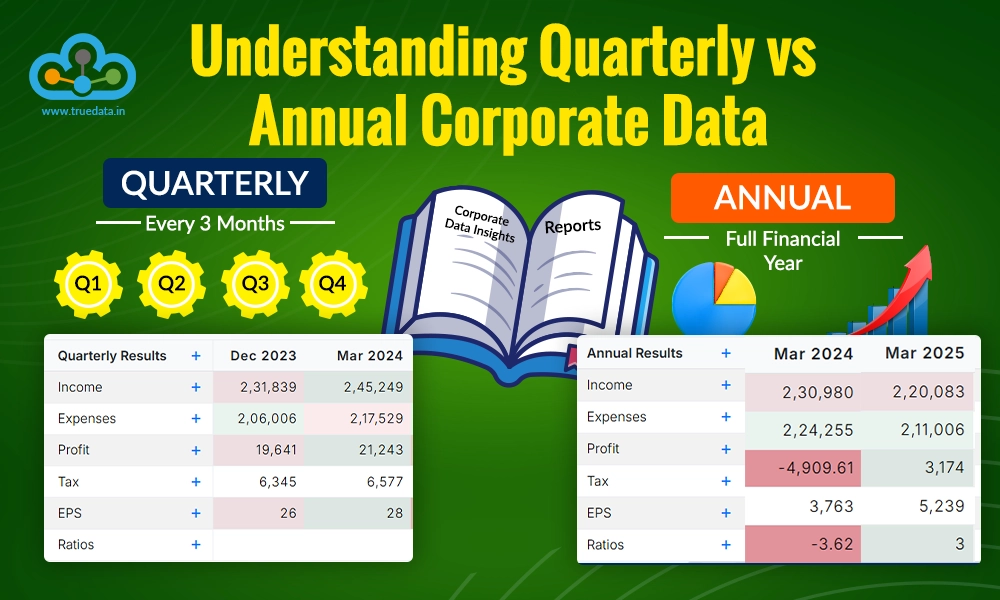
When analysing companies, investors often focus on metrics such as profits, valuations, and growth numbers. However, behind every successful business is something equally important, i.e., how efficiently it manages its daily operations and cash flow. This is where the working capital cycle becomes useful. Check out this blog to understand the meaning of the working capital cycle and how it can help investors evaluate a company’s operational efficiency more effectively.

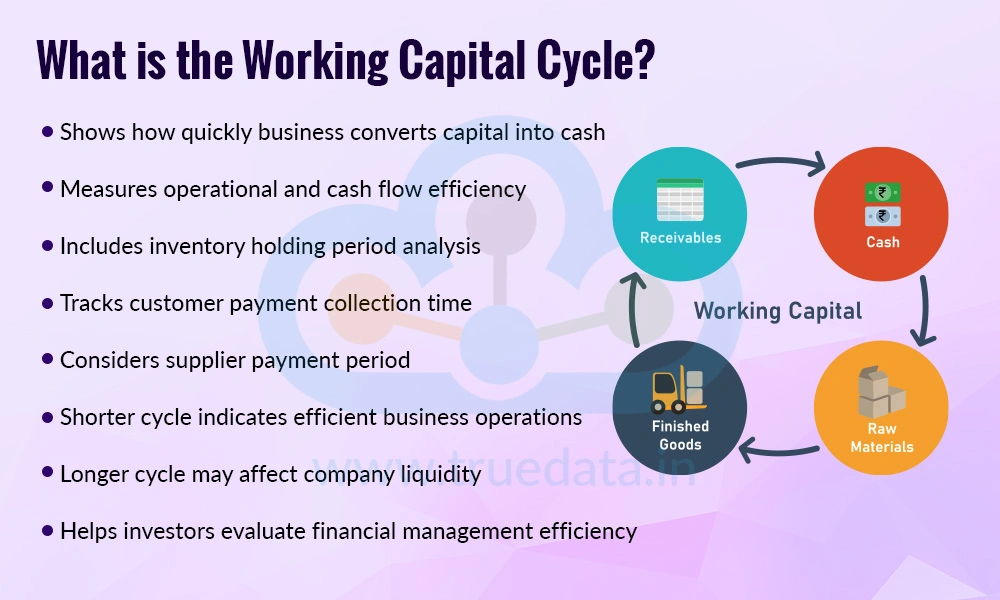
The Working Capital Cycle (WCC) is a financial metric that shows how long a company takes to convert its working capital into cash through its normal business operations. It measures the time taken for a business to buy raw materials or inventory, sell products or services, collect money from customers, and finally recover cash back into the business. A shorter working capital cycle usually indicates that the company is managing its operations efficiently and recovering cash quickly, while a longer cycle may suggest delays in selling inventory or collecting payments. The working capital cycle mainly includes three components, i.e., inventory holding period, receivables collection period, and payables payment period. Investors often use this metric to understand a company’s liquidity, operational efficiency, and cash flow management. Companies with an efficient working capital cycle may require less external borrowing and can manage day-to-day expenses more smoothly, which can be a positive sign during fundamental analysis.

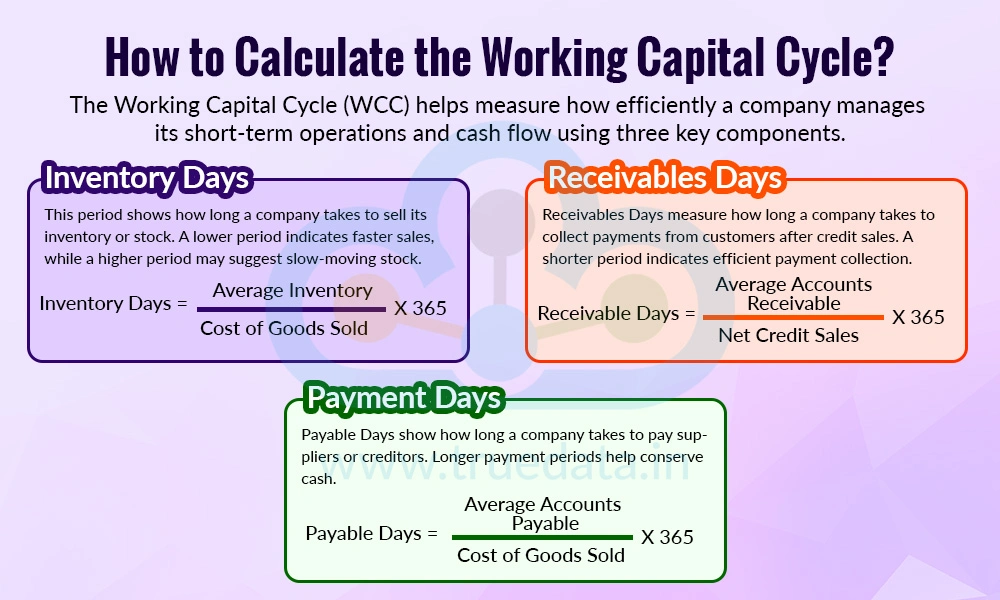
The Working Capital Cycle (WCC) is calculated to understand how efficiently a company manages its short-term operations and cash flow. The calculation mainly involves three important components. These components and the formula to calculate the working capital cycle are explained below.
Inventory Days
This period indicates the time taken by a company to sell its stocks or inventory. A lower inventory period may indicate that products are selling quickly, while a very high period could suggest slow-moving stock. The formula to calculate the Inventory Days is,
Inventory Days = Average Inventory / Cost of Goods Sold * 365
Receivables Days
The next component in the calculation of the Working Capital Cycle is the calculation of Receivables Days. This measures how many days a company takes to collect money from customers after making sales on credit. A shorter collection period generally indicates efficient recovery of payments from customers. The formula to calculate the Receivable Days is,
Receivable Days = Average Accounts Receivable / Net Credit Sales * 365
Payment Days
The final component is the calculation of Payable Days. This shows how many days a company takes to pay its suppliers or creditors. A longer payment period can help conserve cash, but excessively delayed payments may affect supplier relationships. The formula to calculate Payable Days is,
Payable Days = Average Accounts Payable / Cost of Goods Sold * 365
The formula to calculate the Working Capital Cycle using the three components is,
Working Capital Cycle = Inventory Days + Receivable Days - Payable Days
Understanding the Calculation of the Working Capital Cycle Using an Example
Consider X Ltd. with the following data,
Average Inventory = Rs. 10,00,000
Cost of Goods Sold (COGS) = Rs. 60,00,000
Average Accounts Receivable = Rs. 5,00,000
Net Credit Sales = Rs. 50,00,000
Average Accounts Payable = Rs. 4,00,000
The calculation of WCC for XLtd. is explained below.
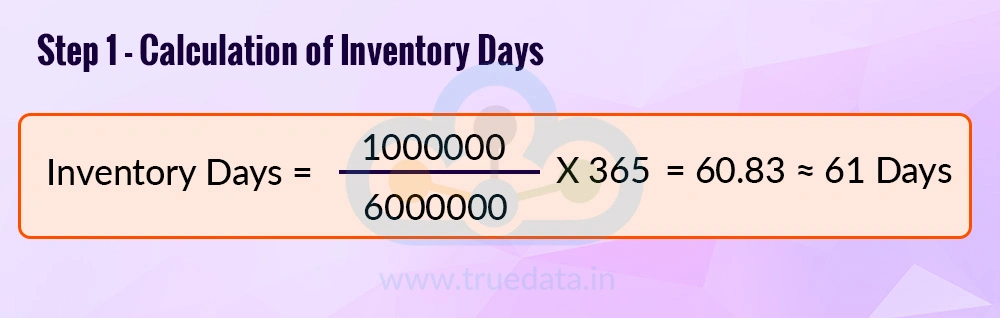
Step 1 - Calculation of Inventory Days

The formula to calculate the Inventory Days is,
Inventory Days = Average Inventory / Cost of Goods Sold * 365
Inventory Days = 1000000 / 6000000 * 365 = 60.83 ≈ 61 Days
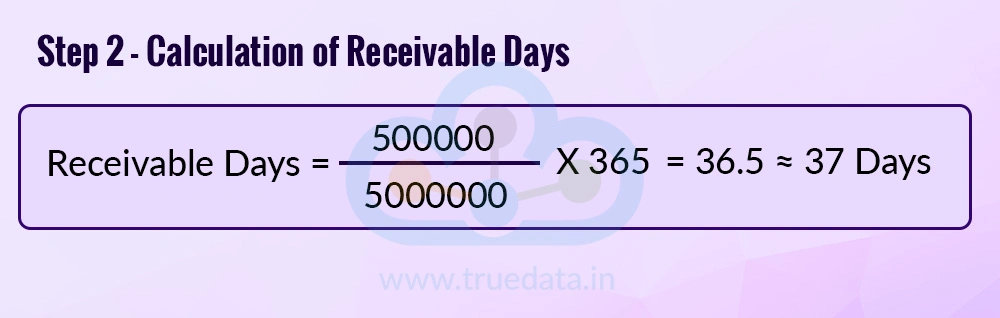
Step 2 - Calculation of Receivable Days

The formula to calculate the Receivable Days is,
Receivable Days = Average Accounts Receivable / Net Credit Sales * 365
Receivable Days = 500000 / 5000000 * 365 = 36.5 ≈ 37 Days
Step 3 - Calculation of Payable Days

The formula to calculate Payable Days is,
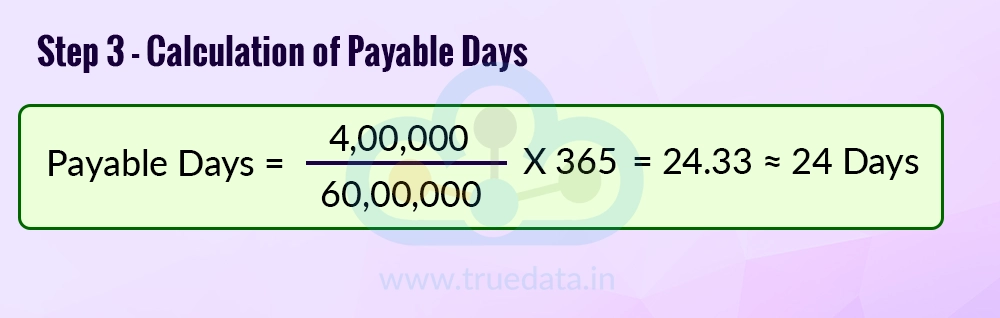
Payable Days = Average Accounts Payable / Cost of Goods Sold * 365
Payable Days = 400000 / 600000 * 365 = 24.33 ≈ 24 Days
Step 4 - Calculation of Working Capital Cycle

The formula to calculate the Working Capital Cycle is,
Working Capital Cycle = Inventory Days + Receivable Days - Payable Days
Working Capital Cycle = 61+37-24 = 74 Days
The company has a Working Capital Cycle of 74 days. This means the company’s cash remains tied up in business operations for around 74 days before it is converted back into cash through customer payments.

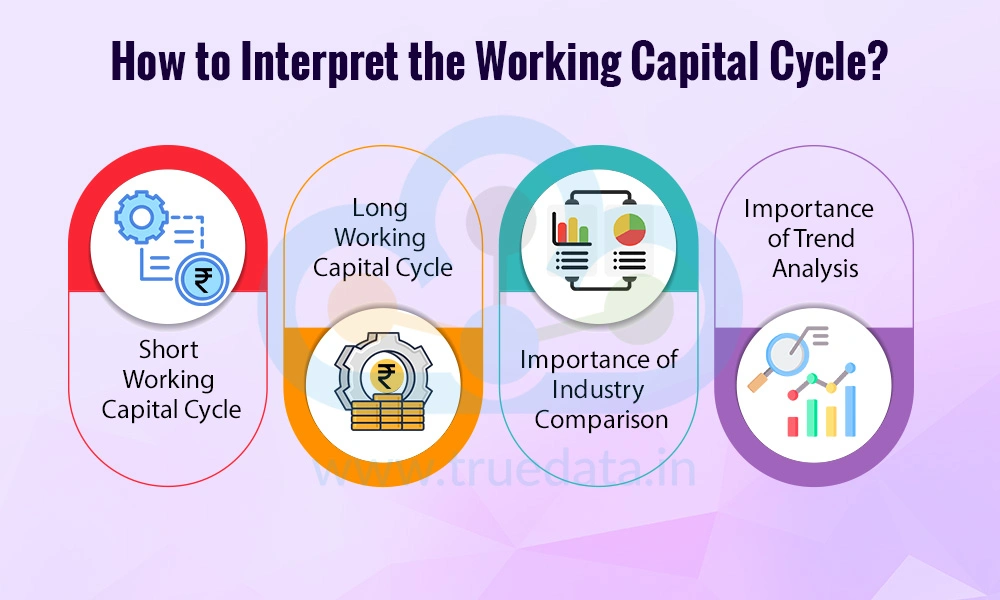
The working capital cycle is an important tool in fundamental analysis because it reflects the operational strength and cash flow management of a company. Businesses with efficient working capital management may have better liquidity, lower borrowing requirements, and smoother day-to-day operations. The interpretation of the working capital cycle can help investors get a more complete understanding of a company’s financial position and operational efficiency, along with analysing the profitability, debt levels, and cash flows. The interpretation of the Working Capital Cycle is explained below.
A shorter working capital cycle is generally considered a positive sign for a business. It indicates that the company is able to sell inventory quickly, collect payments from customers faster, and efficiently manage its cash flow. This means less money remains stuck in operations for long periods. Companies with shorter cycles may require lower external borrowing because cash is recovered quickly and can be reused in business operations. This can improve liquidity and reduce interest costs. Businesses in sectors like FMCG, retail, and food products often have shorter working capital cycles because products are sold quickly and payments are usually received faster.
A longer working capital cycle may indicate that the company is taking more time to sell inventory or collect payments from customers. In such situations, a large amount of cash can remain tied up in operations for extended periods. This may create pressure on liquidity and increase the company’s dependence on short-term loans or working capital financing. However, a long working capital cycle is not always negative. Certain industries naturally require more time to complete business operations. For example, infrastructure, construction, automobile, and capital goods companies often have longer working capital cycles due to large projects, longer production timelines, and extended credit periods.
Investors should always compare a company’s working capital cycle with other companies in the same industry rather than comparing unrelated sectors. Different industries operate under different business models and cash flow structures. For example, a retail company with a 30-day working capital cycle may be considered efficient, while a construction company with the same cycle may actually be unrealistic. Industry comparison helps investors understand whether a company is performing better or worse than its peers.
Apart from industry comparison, investors should also analyse the trend of the working capital cycle over multiple years. A consistently improving working capital cycle may indicate that the company is managing inventory better, collecting payments faster, and improving operational efficiency. On the other hand, a continuously increasing working capital cycle may suggest operational inefficiencies, slow-moving inventory, weak customer collections, or rising financial pressure. Studying long-term trends can therefore provide deeper insight into the quality of management and the company’s overall financial health.

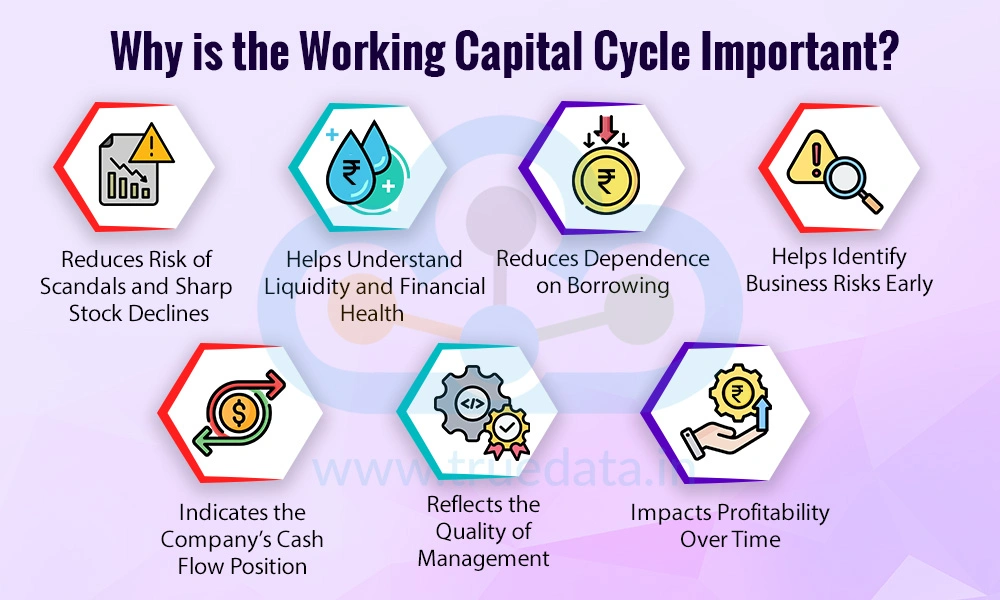
The working capital cycle is an important part of fundamental analysis as it provides insight beyond profits and revenue growth. It helps investors understand how efficiently the business operates internally and how effectively management handles cash flow and short-term resources. The importance of the Working Capital Cycle is explained in detail below.
Helps Measure Operational Efficiency - The Working Capital Cycle (WCC) is important because it helps investors understand how efficiently a company manages its day-to-day business operations. It shows how quickly the company can convert its investment in inventory and other working capital into cash through sales and customer payments. A company that manages inventory efficiently, collects payments on time, and controls expenses properly usually has a healthier working capital cycle. This can indicate strong operational management and smoother business functioning.
Helps Understand Liquidity and Financial Health - Investors often use the working capital cycle to evaluate a company’s short-term financial strength. Companies with efficient working capital management may have better liquidity because they can recover cash faster from operations. Strong liquidity can help businesses handle economic slowdowns, rising costs, or temporary declines in sales more effectively. A poor working capital cycle, however, may indicate weak cash management, delayed collections, or excess inventory buildup, which could affect the company’s financial stability over time.
Reduces Dependence on Borrowing - An efficient working capital cycle can reduce the company’s need to borrow money for daily operations. When cash is recovered quickly from customers and inventory moves efficiently, businesses may require lower short-term loans or overdraft facilities from banks. Lower borrowing can help reduce interest expense and improve profitability. This is especially important during periods of high interest rates, where excessive borrowing can put pressure on company earnings.
Helps Identify Business Risks Early - Changes in the working capital cycle over time can act as an early warning sign for investors. A rising working capital cycle may indicate that inventory is not selling quickly, customers are delaying payments, or the company is struggling to manage operations efficiently. If such trends continue for a long period, they may affect cash flow, profitability, and overall business performance. Monitoring the working capital cycle regularly can therefore help investors identify potential operational or financial risks before they become serious problems.
Indicates the Company’s Cash Flow Position - The working capital cycle is closely linked to a company’s cash flow. Even profitable companies can face financial stress if too much cash remains stuck in inventory or unpaid customer dues for long periods. A shorter working capital cycle generally means that cash is flowing back into the business quickly, helping the company meet daily expenses, salaries, supplier payments, and other operational costs more comfortably. On the other hand, a longer working capital cycle may indicate slower cash recovery, which can sometimes create liquidity pressure and increase dependence on loans or working capital financing.
Reflects the Quality of Management - The working capital cycle can also give investors insight into the efficiency and quality of the company’s management. Efficient management teams usually focus on maintaining optimal inventory levels, collecting customer payments on time, and managing supplier payments carefully. A consistently healthy working capital cycle may therefore indicate disciplined financial planning and strong operational control within the business. Poor working capital management, on the other hand, may suggest weak internal processes or inefficient decision-making, which can affect long-term business performance.
Impacts Profitability Over Time - The working capital cycle can indirectly influence a company’s profitability. Efficient working capital management may reduce storage costs, lower interest expenses on borrowings, and improve overall cash utilisation. This can help improve profit margins over time. However, if inventory remains unsold for long periods or customer collections are delayed, the company may face additional financing costs and operational inefficiencies that can reduce profitability.

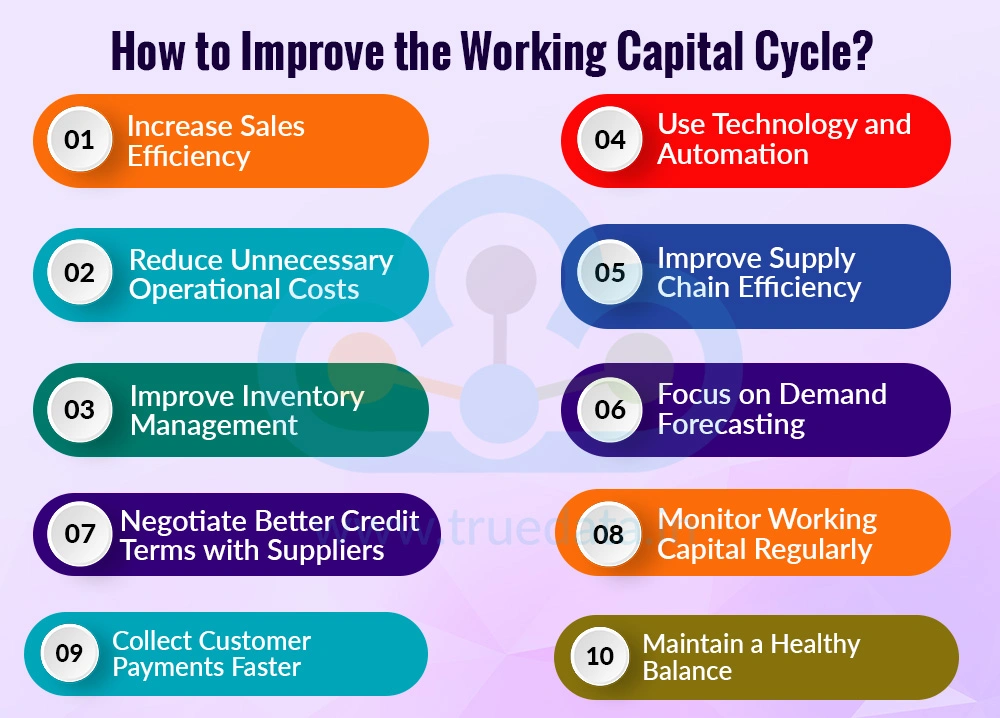
A short working capital cycle is always beneficial for a company. Therefore, if a company has a longer working capital cycle, it is important to reduce it and optimise operational efficiency. The steps or measures to be taken for improving the working capital cycle are explained below.
Increase Sales Efficiency - Higher sales and faster product movement can help reduce the working capital cycle. Businesses that sell products quickly recover cash faster from inventory investments. Companies often improve sales efficiency through better marketing, stronger distribution networks, competitive pricing, and improved customer service.
Reduce Unnecessary Operational Costs - Controlling unnecessary expenses can improve overall cash management. Efficient cost control helps businesses preserve cash and maintain smoother day-to-day operations. Companies that regularly monitor expenses and improve operational efficiency may face lower pressure on working capital requirements.
Improve Inventory Management - Companies can improve the working capital cycle by managing inventory more efficiently. Businesses should avoid maintaining excess stock for long periods because unsold inventory blocks cash and increases storage costs. Better demand forecasting, efficient production planning, and faster inventory turnover can help companies recover cash more quickly.
Negotiate Better Credit Terms with Suppliers - Companies can improve cash flow by negotiating longer payment periods with suppliers whenever possible. Delaying payments responsibly allows businesses to hold cash for a longer time while continuing operations smoothly. However, companies should maintain healthy supplier relationships and avoid excessive payment delays that could affect trust or future supplies.
Collect Customer Payments Faster - Faster collection of receivables can significantly improve the working capital cycle. Companies can encourage timely customer payments by setting clear credit policies, offering discounts for early payments, and regularly following up on outstanding dues. When customers pay faster, the company receives cash sooner and can use it for daily operations or business expansion.
Use Technology and Automation - Many companies improve their working capital cycle by using technology for inventory tracking, billing, customer collections, and supply chain management. Automation helps reduce delays, improve accuracy, and speed up business processes. Efficient systems can help management make faster decisions and improve cash flow management.
Improve Supply Chain Efficiency - A smooth and efficient supply chain can help companies reduce delays in production and product delivery. Faster movement of goods from suppliers to customers can shorten the overall working capital cycle. Strong supplier relationships and efficient logistics management are therefore important for improving working capital efficiency.
Focus on Demand Forecasting - Accurate demand forecasting helps companies maintain optimal inventory levels. When businesses correctly estimate customer demand, they can avoid overproduction and excess inventory buildup. This helps reduce the amount of cash stuck in unsold products and improves operational efficiency.
Monitor Working Capital Regularly - Companies should regularly track inventory levels, receivables, payables, and overall cash flow. Continuous monitoring helps management identify operational issues early and take corrective action before problems become serious. Regular analysis of the working capital cycle also helps businesses maintain financial discipline and improve long-term operational efficiency.
Maintain a Healthy Balance - While improving the working capital cycle is important, companies should avoid becoming too aggressive. Extremely low inventory levels may lead to stock shortages, while very strict credit policies could affect customer relationships and sales growth. The goal should be to maintain a healthy balance between operational efficiency, customer satisfaction, and financial stability.
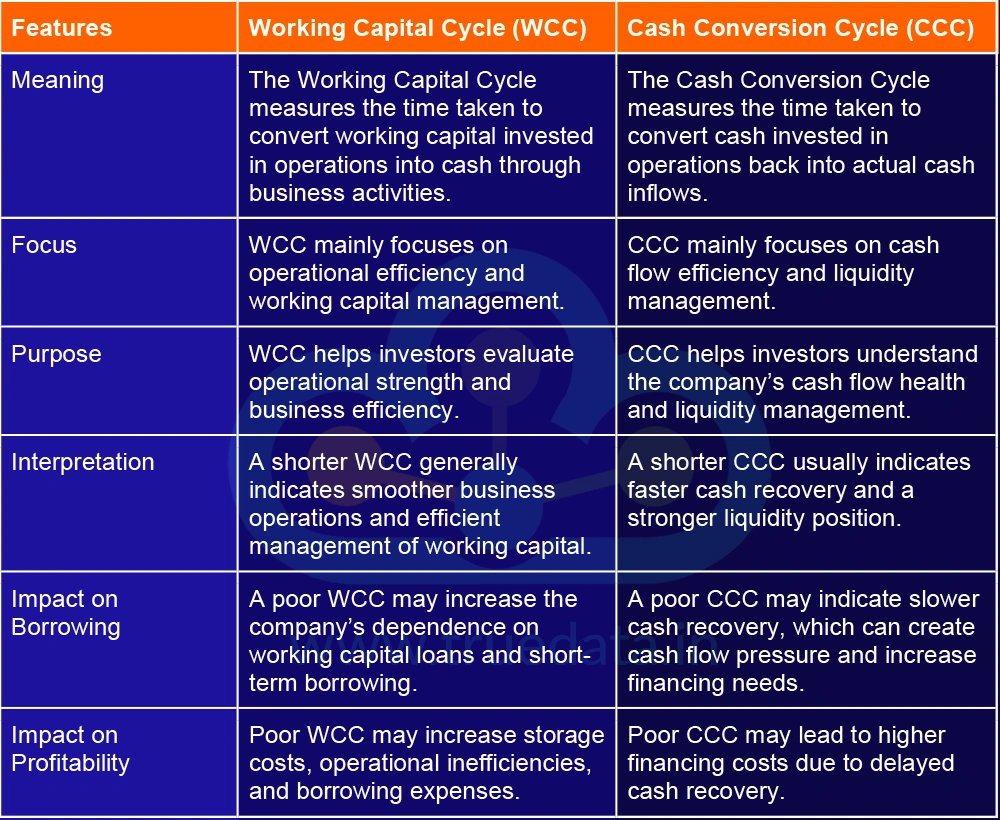
The Working Capital Cycle (WCC) measures the time taken by a company to convert its investment in inventory and other working capital into cash through normal business operations. The working capital cycle helps investors understand how efficiently a company manages short-term assets and liabilities as part of its daily operations.
The Cash Conversion Cycle (CCC) is a financial metric that measures the time taken by a company to convert cash invested in operations back into actual cash received from customers. It mainly focuses on cash flow efficiency and liquidity management.

The Working Capital Cycle is an important financial metric that helps investors understand how efficiently a company manages its day-to-day operations, cash flow, inventory, receivables, and payables. A healthy working capital cycle may indicate strong operational efficiency, better liquidity management, and lower dependence on short-term borrowing. However, it is important to note that the working capital cycle should be analysed along with other key fundamental analysis factors like profitability, debt, and cash flows to have deeper insights for making more informed investment decisions.
This article focuses on one of the key components of financial analysis and its contribution to decision-making. Let us know your thoughts on the topic or if you need further information on the same, and we will address it soon.
Till then, Happy Reading!
Read More: Working Capital Turnover Ratio - What is it and How to Use it?
Thestock market never stands still, and prices swing constantly with every new h...
Corporate data is more than just the numbers of a company. They can show what is...
Ratio analysis is a key part offundamental analysis, helping investors understan...