Investing / Trading

Common Mistakes to Avoid in Algorithmic Trading - Lessons from Failed Strategies

Marisha Bhatt · 25 Jun 2026 · 10 mins read · 0 Comments

common-mistakes-to-avoid-in-algorithmic-trading-lessons-from-failed-strategies

Algorithmic trading has transformed the way people approach the markets. With AI and automation evolving rapidly, more traders are turning to algorithms to build smarter and more efficient trading strategies. But while algo trading may look exciting and profitable on the surface, success is not as easy as simply deploying a strategy and watching the returns roll in. In reality, many traders, especially beginners, make costly mistakes that can lead to heavy losses, poor risk management, and failed portfolios. So, what are the most common mistakes traders make in algorithmic trading? More importantly, what lessons can be learned from failed strategies? Check out this blog post where we explore the cautionary side of algo trading and how to address it. 

What is Algo Trading?

what-is-algo-trading

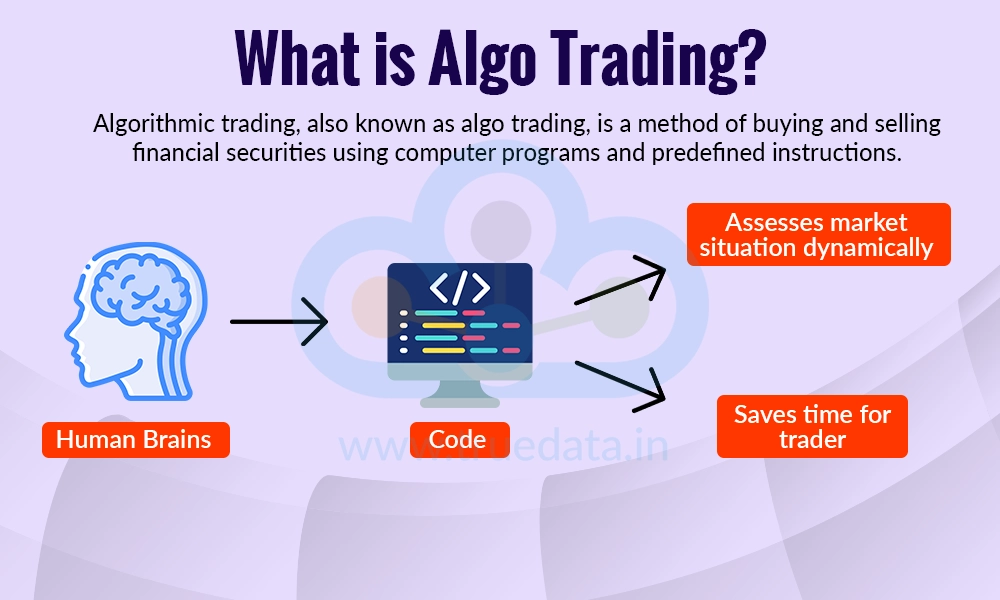
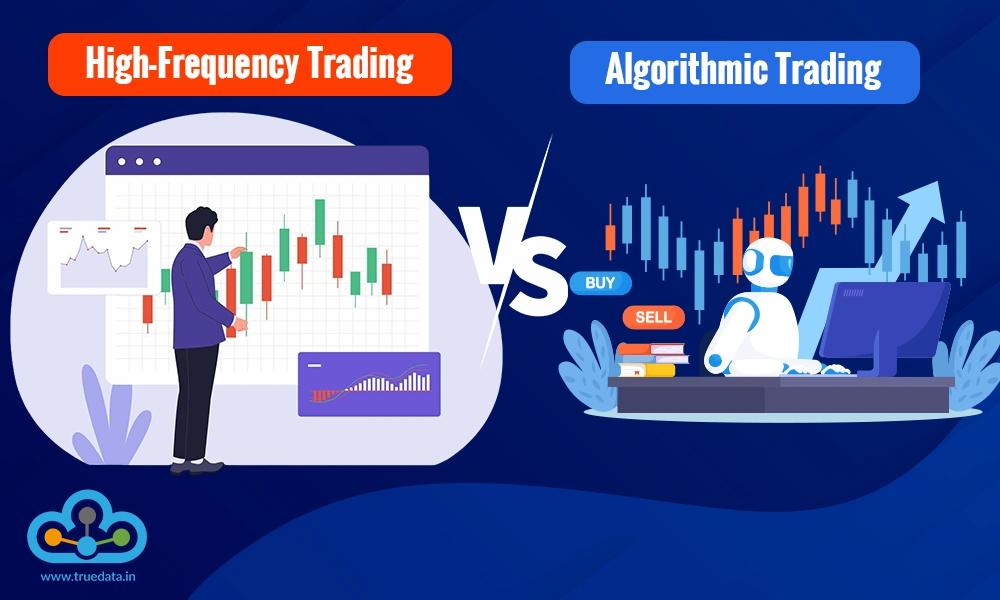
Algorithmic trading, also known as algo trading, is a method of buying and selling financial securities using computer programs and predefined instructions. Instead of manually placing trades, traders create algorithms that automatically execute orders based on conditions such as price movements, volume, timing, or market trends. These programs can analyse large amounts of market data within seconds and place trades much faster than a human trader. 

Algo trading is widely used in stock markets like the National Stock Exchange and Bombay Stock Exchange by institutional investors, brokers, and increasingly by retail traders as well. The main goal of algo trading is to remove emotional decision-making, improve speed and accuracy, and take advantage of market opportunities efficiently. For example, an algorithm can automatically buy a stock when it falls to a certain price and sell it once a target profit is reached. While algo trading can help traders save time and execute strategies more efficiently, it also involves risks if the strategy is poorly designed or market conditions change unexpectedly.

What are the Common Mistakes to Avoid in Algorithmic Trading?

Algo trading may seem quite simple and straightforward, but it can be quite tricky and may lead to losses. Some of the common mistakes to avoid in algo trading are explained below. 

Ignoring Risk Management

Ignoring Risk Management

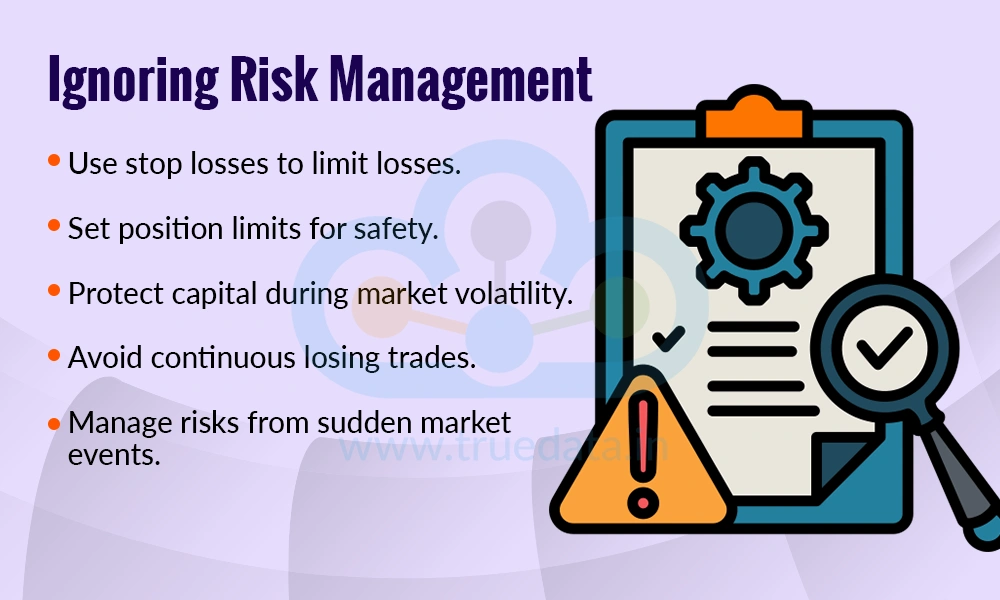
Many traders spend a lot of time creating entry and exit signals, but ignore proper risk management. Even a good algorithm can lead to large losses if there are no stop losses or position limits. In India’s volatile markets, sudden events such as policy announcements, global market crashes, or unexpected news can cause sharp price movements. Without risk controls, an algorithm may continue placing losing trades and damage the portfolio significantly. A strong risk management system helps limit losses and protect trading capital during difficult market conditions.

Over-Optimising the Trading Strategy

Over-Optimising the Trading Strategy

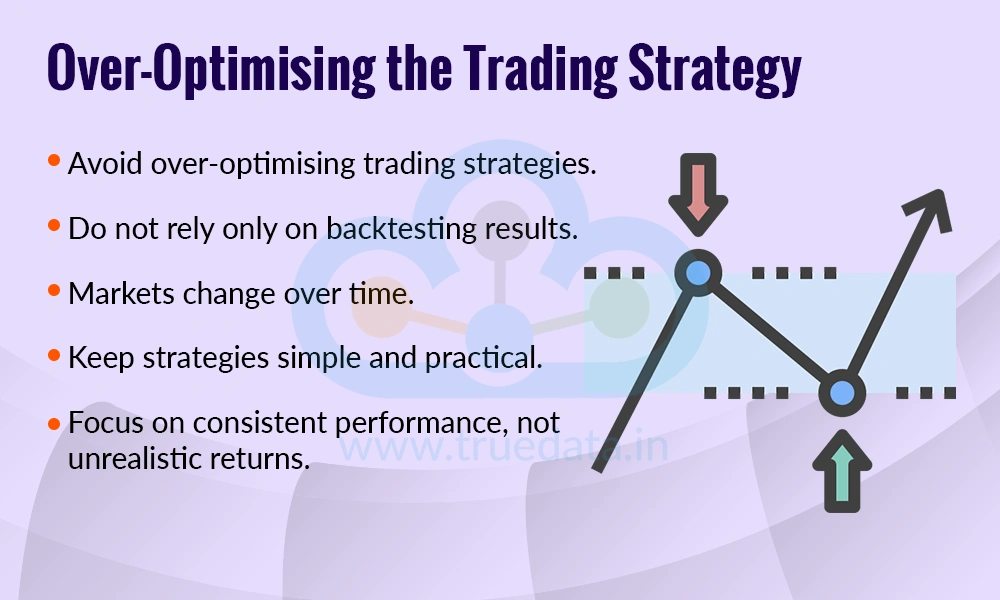
One of the most common mistakes in algorithmic trading is over-optimisation, also known as curve fitting. This happens when traders design a strategy that performs perfectly on past market data but fails in real market conditions. Many beginners keep adjusting indicators and settings until the backtested results look highly profitable. However, a strategy that is too closely fitted to historical data may not work when market behaviour changes. Markets are dynamic, and no strategy can predict every movement perfectly. Investors should focus on creating strategies that are simple, practical, and capable of performing reasonably well across different market conditions instead of chasing unrealistic returns.

Using Poor Quality Data

Using Poor Quality Data

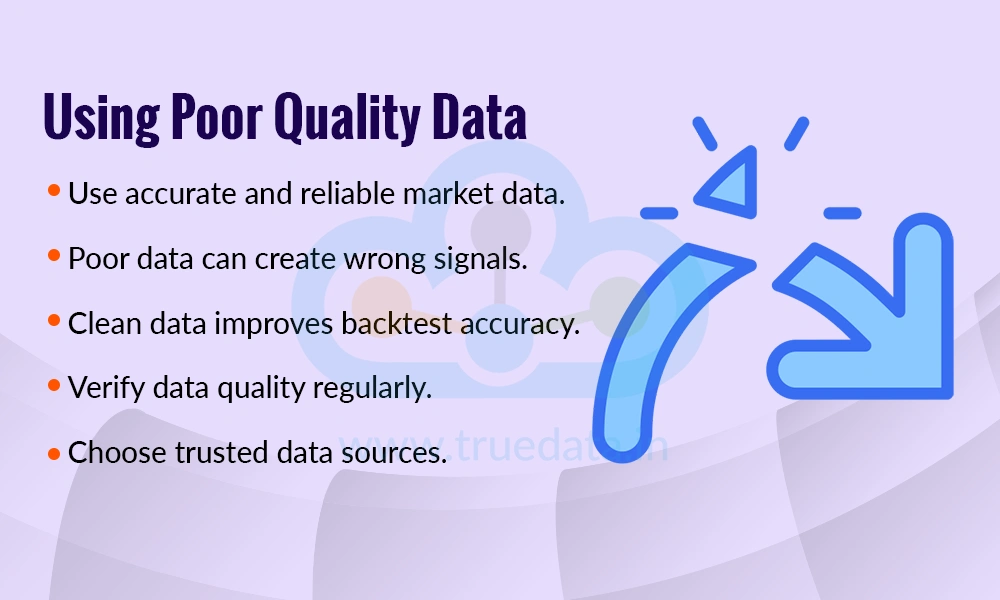
Algorithms depend heavily on data for making decisions. If the data used for backtesting or live trading is inaccurate, incomplete, or delayed, the strategy may generate wrong signals. Many beginner traders underestimate the importance of clean and reliable market data. Inaccurate price data can create misleading backtest results and give a false sense of confidence. Using trusted data sources and checking data quality regularly is essential for building a dependable trading system.

Ignoring Market Costs and Slippage

Ignoring Market Costs and Slippage

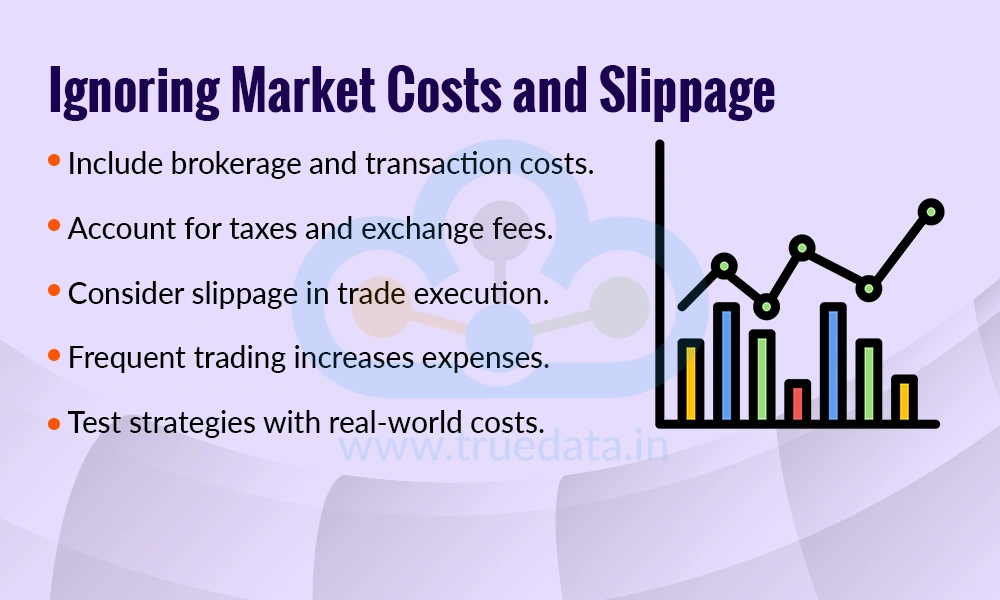
A strategy may look profitable during testing, but fail after considering actual trading costs. Many traders forget to include brokerage charges, taxes, exchange fees, and slippage while evaluating performance. Slippage occurs when trades are executed at prices different from expected prices due to market movement or low liquidity. In India, frequent trading can also increase Securities Transaction Tax (STT) and other transaction charges. Ignoring these costs can turn a profitable-looking strategy into a losing one. Traders should always test strategies after including all real-world expenses.

Depending Completely on Automation

Depending Completely on Automation

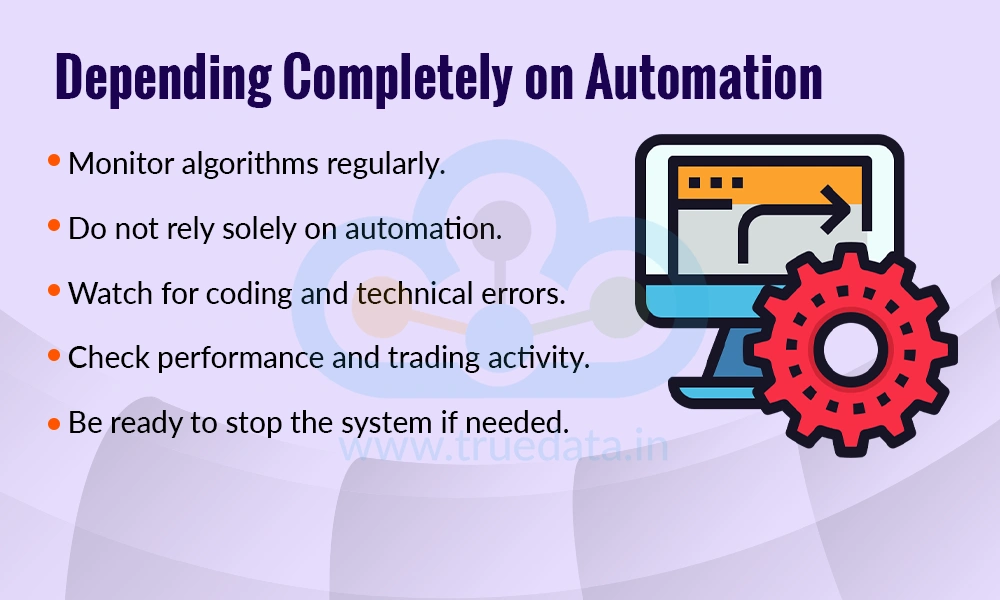
Algo trading is automated, but that does not mean traders can leave strategies unattended. Some investors make the mistake of assuming the software will handle everything perfectly without supervision. In reality, technical glitches, internet failures, incorrect coding, or sudden market changes can affect algorithm performance. There have been cases where trading systems placed unintended orders because of coding errors or data feed issues. Traders should regularly monitor their algorithms, review performance, and be prepared to stop the system if unusual activity occurs.

Expecting Guaranteed Profits

Expecting Guaranteed Profits

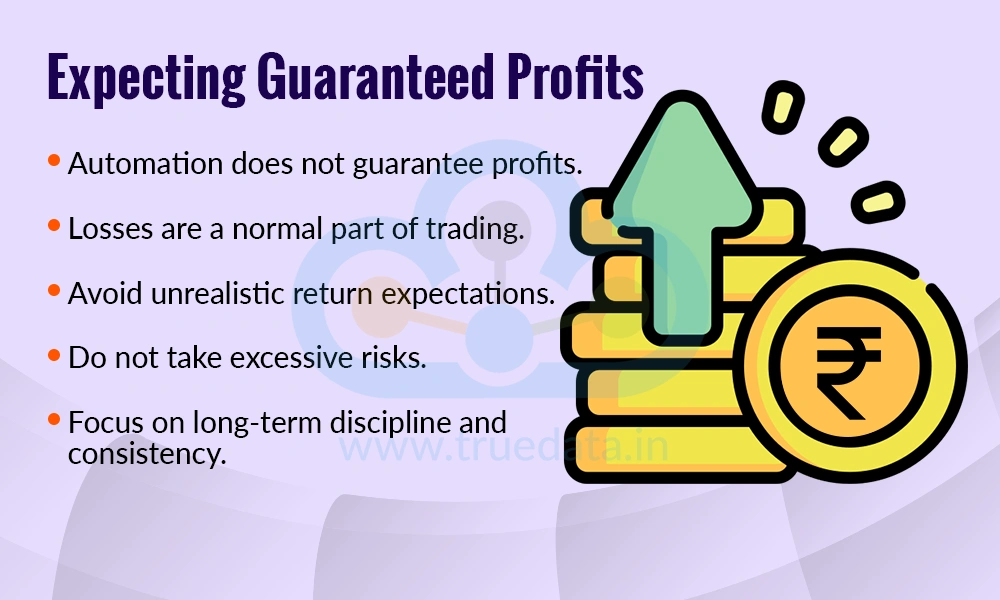
One of the biggest mistakes in algo trading is believing that automation guarantees profits. No trading system can win all the time. Losses are a normal part of trading, and even professional firms experience drawdowns. Unrealistic expectations often lead traders to take excessive risks or abandon good strategies too quickly. Investors should approach algo trading as a disciplined and long-term process rather than a shortcut to instant wealth.

Trading Without Proper Testing

Trading Without Proper Testing

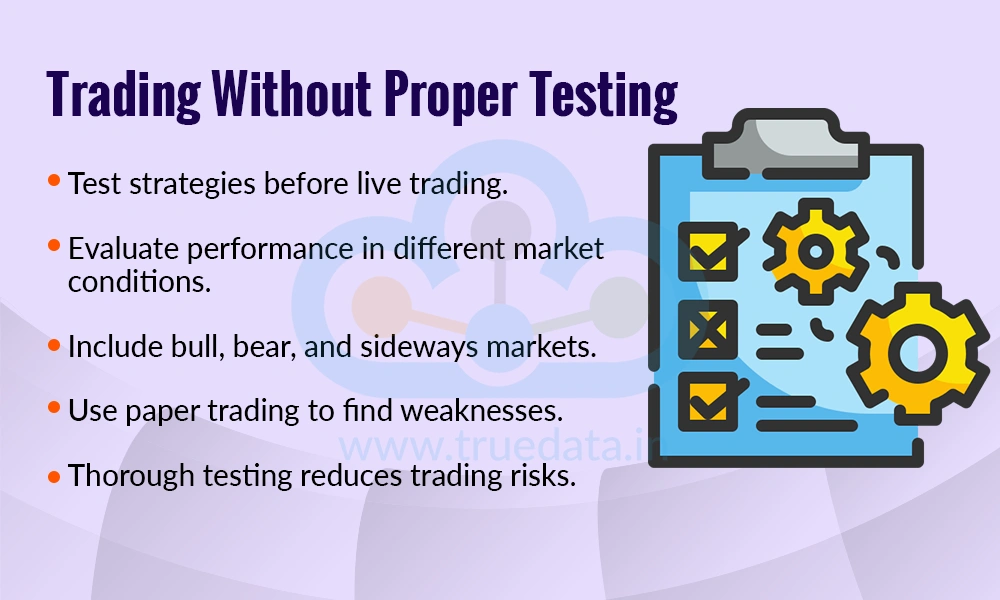
Some traders rush into live trading after creating a strategy without sufficient testing. This is risky because a strategy that works during one market phase may fail during another. Proper testing should include different market conditions such as bull markets, bear markets, sideways movements, and periods of high volatility. Paper trading or simulated trading can also help identify weaknesses before risking real money. Careful testing improves confidence and reduces the chances of major surprises during live trading.

Letting Emotions Influence Decisions

Letting Emotions Influence Decisions

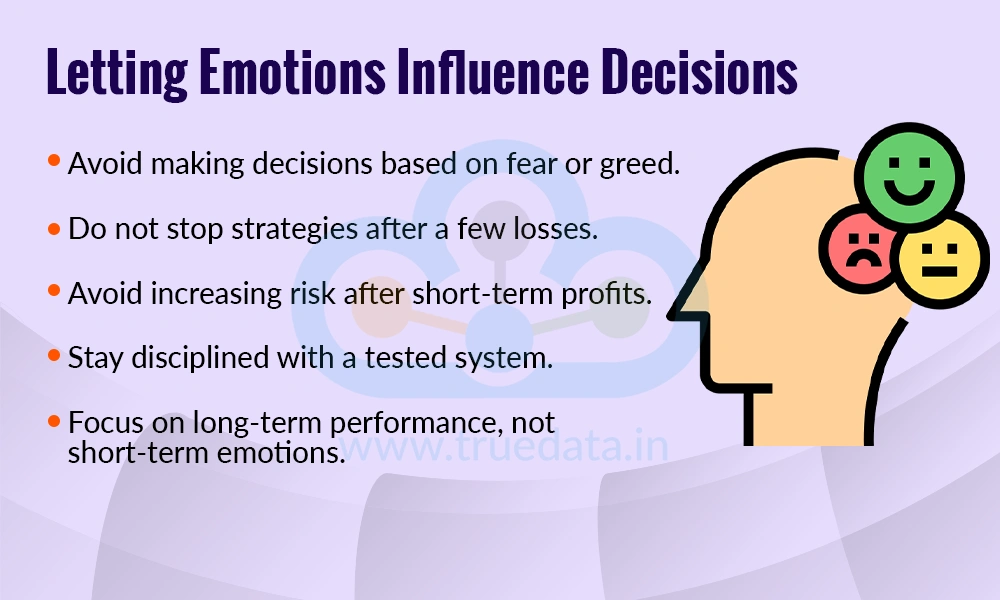
Although algo trading is designed to reduce emotional trading, emotions can still affect traders indirectly. For example, some traders stop a strategy after a few losses out of fear, while others increase risk after seeing short-term profits. Constantly changing strategies due to panic or greed can reduce long-term performance. Successful algorithmic trading requires patience, discipline, and trust in a well-tested system rather than emotional reactions to short-term market movements.

Ignoring Changing Market Conditions

Ignoring Changing Market Conditions

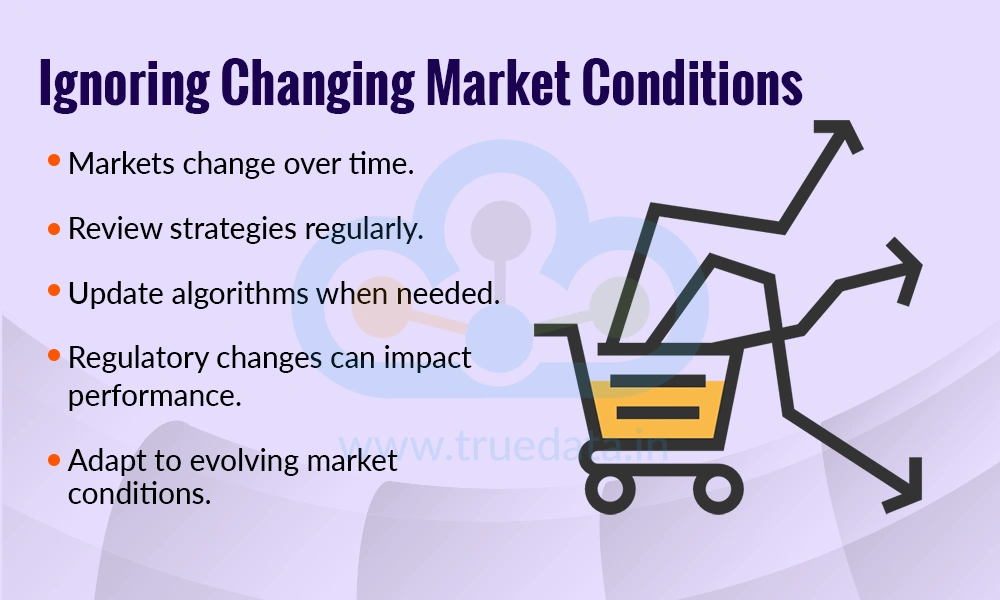
Markets keep evolving because of economic changes, government policies, technology developments, and investor behaviour. A strategy that performed well a few years ago may not work today. Some traders make the mistake of using the same algorithm for years without updating or reviewing it. In India, changes introduced by regulators like the Securities and Exchange Board of India can also impact trading behaviour and liquidity. Regularly reviewing and adapting trading strategies according to market conditions is important for long-term success.

What are the Lessons to Learn from Failed Strategies?

What are the Lessons to Learn from Failed Strategies

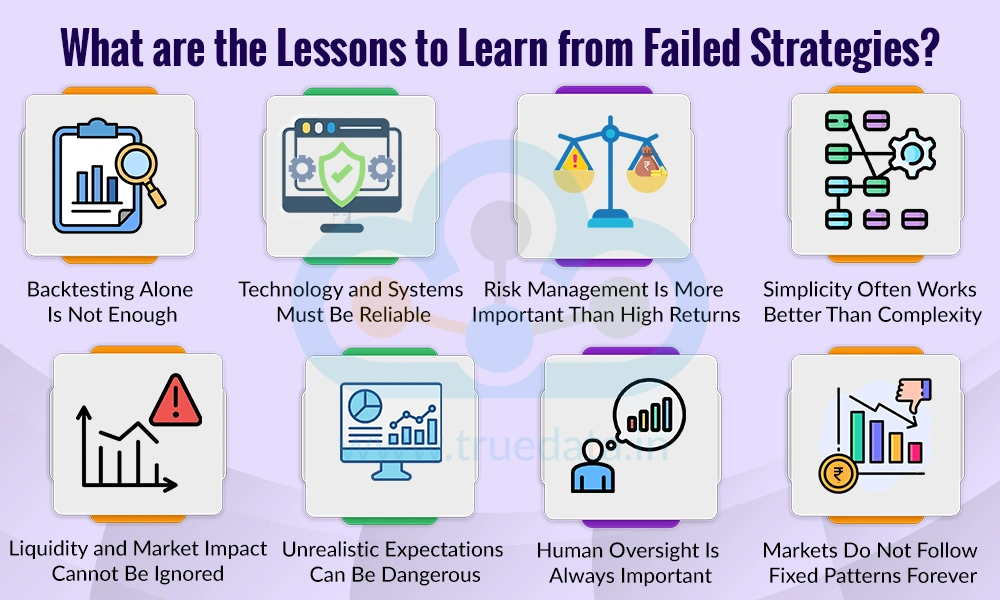
Avoiding the common mistakes mentioned above is not enough to create a successful portfolio. Investors also have to learn key lessons from their mistakes or failed strategies. Here is a detailed explanation of the same. 

Backtesting Alone Is Not Enough

Many traders rely heavily on backtesting and assume that strong historical performance guarantees future success. However, failed strategies often reveal that backtesting has limitations. Historical data cannot fully capture real-time market emotions, sudden news events, liquidity issues, or execution delays. A strategy may appear highly profitable in testing but perform poorly in live markets. This teaches investors the importance of forward testing, paper trading, and evaluating how strategies behave under different market situations before investing real money.

Technology and Systems Must Be Reliable

Another important lesson is that technical issues can create serious trading problems. Internet failures, coding mistakes, software bugs, or delayed market data can lead to unintended trades and unexpected losses. There have been instances globally where trading firms suffered heavy losses due to system errors. Failed strategies highlight the need for proper testing, regular monitoring, backup systems, and strong technical infrastructure. Traders should never assume that automation alone guarantees smooth execution.

Risk Management Is More Important Than High Returns

A common reason why trading strategies fail is poor risk management. Some algorithms focus only on maximising profits while ignoring potential losses. Even a profitable strategy can collapse if one bad trade or a sudden market crash wipes out a large part of the capital. Failed strategies remind investors that protecting capital should always come before chasing returns. Using stop-losses, position sizing, and diversification can help traders survive difficult market periods and continue trading in the long run.

Simplicity Often Works Better Than Complexity

Many failed strategies become too complicated because traders keep adding indicators, filters, and rules in search of perfect results. While complex systems may look impressive, they are often difficult to manage and may fail in real-world conditions. Some of the most successful trading strategies are based on simple and disciplined principles. Failed strategies teach investors that clarity and consistency are more important than creating overly complicated algorithms that are difficult to understand or monitor.

Liquidity and Market Impact Cannot Be Ignored 

Some strategies fail because they do not consider real market conditions, such as liquidity and slippage. A strategy may work well on paper but struggle in live markets if there are not enough buyers or sellers at the expected price. Large orders can also impact stock prices, especially in less liquid stocks. This teaches investors that practical execution matters just as much as strategy design. Considering transaction costs, taxes, brokerage fees, and liquidity is essential for realistic performance expectations.

Unrealistic Expectations Can Be Dangerous

Many beginners enter algo trading expecting quick and guaranteed profits. This mindset often leads to disappointment, excessive risk-taking, and poor decision-making. Failed strategies teach investors that losses are a natural part of trading and no algorithm can win every trade. Long-term success usually comes from consistency, discipline, and controlled risk rather than chasing unrealistic returns. Traders who approach algo trading with patience and practical expectations are more likely to survive and grow steadily over time.

Human Oversight Is Always Important

Even the best algorithms require human supervision. Markets can behave unpredictably during extreme events such as financial crises, geopolitical tensions, or sudden economic announcements. Failed strategies show that completely relying on automation without monitoring can be risky. Human judgment is still necessary to review performance, pause strategies during unusual situations, and make improvements when needed. Successful traders combine technology with careful oversight rather than depending entirely on machines.

Markets Do Not Follow Fixed Patterns Forever

One of the biggest lessons from failed algorithmic trading strategies is that markets constantly change. A strategy that performs well during one period may stop working when market conditions shift. Many traders assume that past patterns will continue forever, but markets are influenced by economic events, global news, government policies, interest rates, and investor sentiment. Factors such as RBI decisions, Union Budget announcements, or global market movements can quickly change market behaviour. Successful traders understand that no strategy works permanently and regular review and adaptation are necessary.

Conclusion

Algorithmic trading has opened new opportunities for investors by combining technology, data, and automation to make faster trading decisions. However, as many failed strategies have shown, success in algo trading is not just about creating profitable algorithms, it is also about avoiding common mistakes. The key lesson is to approach algo trading with discipline, patience and realistic expectations of risk and returns. In the long run, traders who learn from failures and continuously adapt their strategies are more likely to build sustainable success in the market.

This article talks about the cautions of algo trading that are especially important for beginners for a refined understanding of the market and creating a successful portfolio. Let us know your thoughts on the topic or if you need any further information on the same, and we will address it soon. 

Till then, Happy Reading!

Read More: Can Algorithms Beat Human Fund Managers? - Know all about Quant Based Mutual Funds

Frequently Asked Questions

Many algo trading strategies fail in live markets because real market conditions are very different from historical backtests. Factors such as sudden news, market volatility, slippage, transaction costs, liquidity issues, and emotional decisions can reduce the performance of a strategy once real money is involved.

Overfitting in backtesting happens when a trading strategy is adjusted too much to match past market data perfectly. It becomes a problem because the strategy may perform well on historical data but fail badly in real market conditions where patterns constantly change.

Yes, beginners can start with algorithmic trading, but they should first understand basic market concepts, risk management, and how trading strategies work. It is better to begin with simple strategies and paper trading before using real money in the market.

Traders can avoid overtrading by setting clear rules for trade entries, exits, and daily trade limits within the algorithm. Focusing on quality trades instead of frequent trades can help reduce unnecessary costs and lower the risk of losses.

Algorithmic trading can be profitable for retail traders if they use well-tested strategies, proper risk management, and realistic expectations. However, profits are not guaranteed, and poor strategies or lack of discipline can also lead to significant losses.
Marisha Bhatt

Marisha Bhatt is a financial content writer @TrueData.
She writes with the sole aim of simplifying complex financial concepts and jargon while attempting to clarify technical and fundamental analysis concepts of the stock markets. The ultimate goal is to spread vital knowledge and benefit the maximum audience. Her Chartered Accountant background acts as the knowledge base to help clarify crucial concepts and create a sound investment portfolio.

0 Comments

Related Articles

SEE ALL
Investing / Trading
Investing / Trading
Impact of Market Data Vendors on Algorithmic Trading

In the world of high-speed trading, success often hinges on capitalising on even...

Stock Exchanges
Stock Exchanges
The 4 Levels of Real Time Data from NSE, BSE & MCX

Introduction Real-time market data from NSE, BSE, and MCX is distributed as 4 d...

Investing / Trading
Investing / Trading
How do I download BSE and NSE stock prices in Excel in real time?

NSE Stock Prices in Excel in Real Time - Microsoft Excel is a super software cap...