Investing / Trading

Does Backtesting a new strategy really get results for successful trades?

TrueData Team · 01 Jun 2021 · 6 mins read · 10 Comments

backtesting-strategy

Does Backtesting a new strategy really get results for successful trades?

The need for Backtesting

Backtesting is one of the most key parts of trading. It helps you to be sure of your strategies that you are implying. Mainly, backtesting relies on the historical data of the trades in the past. It helps you to make sure that you are not blindly trading but using foolproof  strategies. The question which revolves in the mind of traders is - Does Backtesting a new strategy really get results for successful trades? Go through the complete article and find out yourself! The fundamental theory is that any strategies used in the past if produced good results will work in the future. Similarly, any strategy used in the past if produced bad results will not work in the future. Backtesting takes into account the statistics of the strategies used in the past trades. The data obtained thus helps to calculate the productivity of the trading system. In a trading system, there are a set of rules which help you to decide when to buy and when to sell. In a backtest, you simply pretend to have the system before. You then use it to buy and sell stocks. If it makes money, it is a good system. If not, it is a bad system.

How is backtesting done?

How-is-backtesting-done   In a backtest, you need to pretend to have an account. You then put fake money in the account. This will help you to understand if your strategy will make you money or not. You use the past data of the strategy to see how the system works. You make a fake history and check the efficacy of the system with this fake history. More so, you can also put real money in the account while backtesting. But this might be a bit risky as you can lose money too.
Statistics used while backtesting

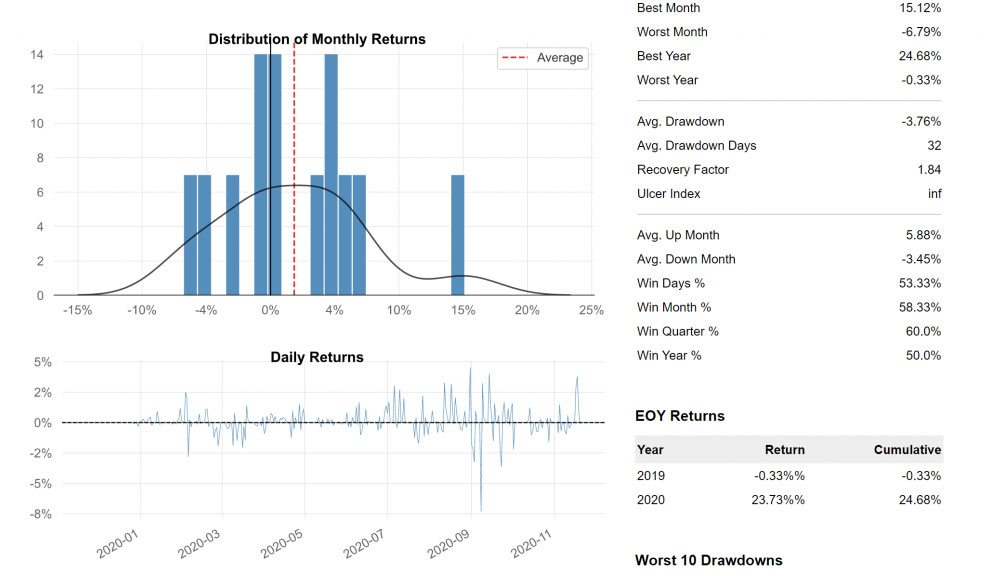
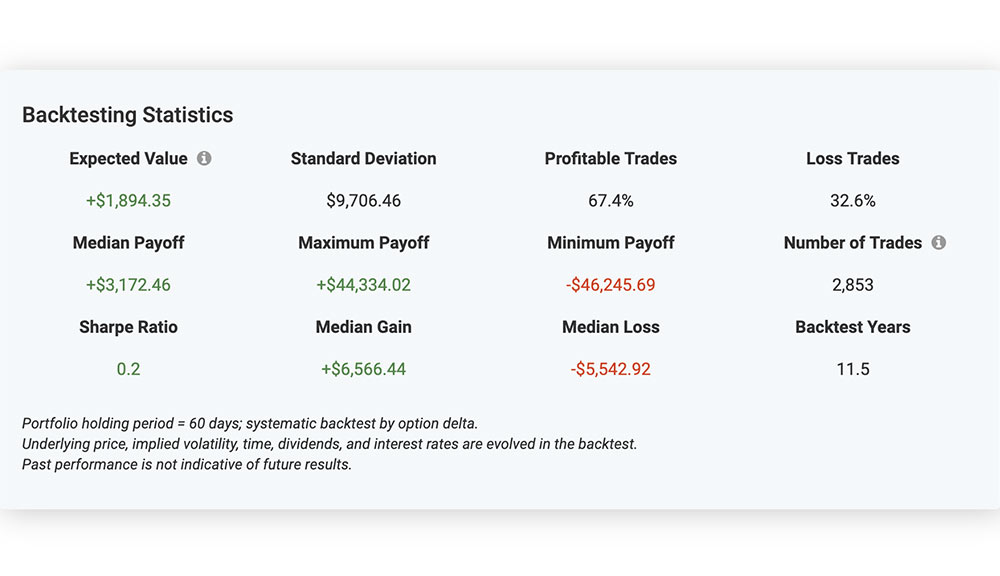
Statistics-used-while-backtesting   A trading strategy when backtested using the data and tools provides an analysis of and feedback about a strategy. Here are the statistics that are generally useful while backtesting:
  • The total percentage gain or loss
  • Comparing the Volatility
  • The average gain and average loss in percentage
  • The exposure to the market
  • The win to losses ratio
  • The annualized rate of return (Profitability measurement over a year in percentage)
  • The risk-adjusted return (Risk-based profitability measurement over a year)

The process of Backtesting

The-process-of-Backtesting  

Backtesting is a 4 step process:

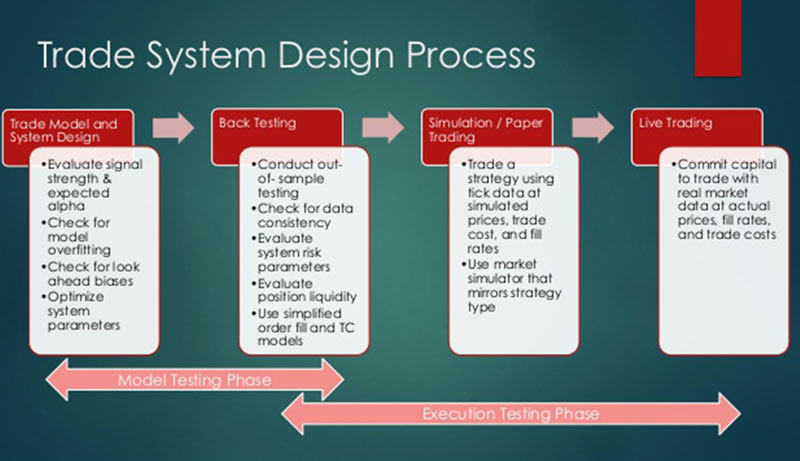
Step 1: Put together and plan all your trading strategy and the rules associated with them. For manual backtesting, there is no need for coding. But if you are using any automated backtesting software, you need to code your strategy. Step 2: Select the financial instrument(s) you want so that you can backtest your strategy on it. Step 3: Gather the historical price data for backtesting the strategy. Make sure it covers the different market conditions. Experts recommend using 5 years of data for a swing trading strategy. Step 4: The strategies obtained should be run through the historical data to see if they will work or not. Calculate important parameters like annual gross return, drawdowns and risk-reward ratio to gauge the performance of your system. Step 1 to 3 above can be done manually, but step 4 is a bit complicated and might take a longer time. At Step 4, you need to use automated software to perform backtesting.

The proper way of Backtesting

The-proper-way-of-Backtesting   The main reason to do Backtesting is to check how a certain strategy performed in the past. Thus it becomes important to consider all the data and all the trading costs. Otherwise, backtesting may show false profitability.
There are some important decisions for Backtesting:

  • Choosing the Right Market

Investor need to include all the factors while choosing a market for getting accurate profitability results. The kind of profits you want to make, the risks you are ready to take, time period of investment etc. Based on these factors, choose a segment or market for you with lower risks involved.

  • Looking into the overall market conditions

Market prices keep on varying according to the situations. Factors like inflation rates, monetary policies, annual reports of a company affects the market prices. Test your strategies in different markets under different situations to check the potential of your strategies.

  • Choosing a platform for Backtesting

You need to check for the asset classes which a backtesting platform uses before choosing one for yourself. What is the source of the market data feeds on a backtesting platform, which programming language is used should be considered.

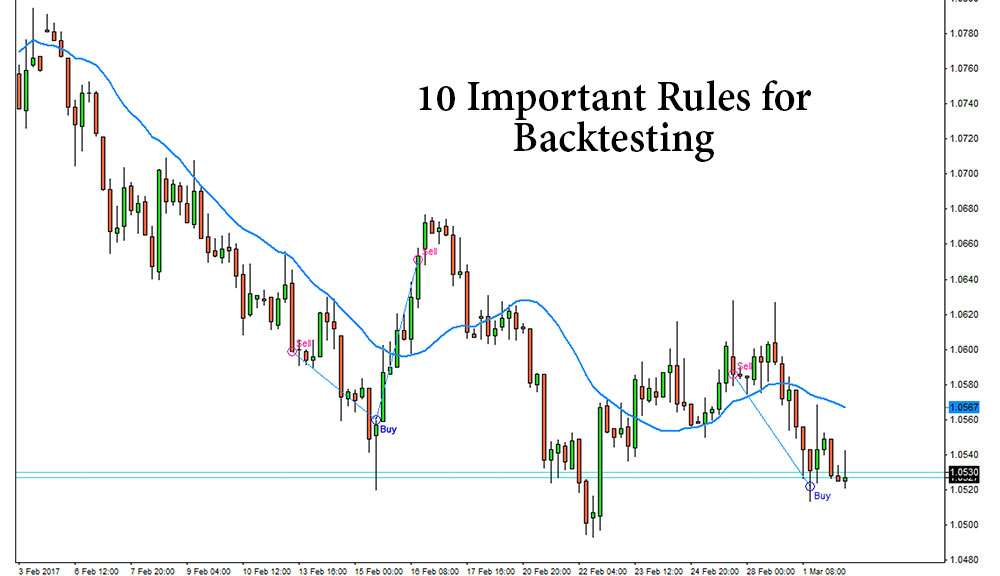
10 Important Rules for Backtesting

10-Important-Rules-for-Backtesting  

The following points need to be considered while Backtesting:

  1. Using Broad market trends:

    Backtesting over a longer time frame is a safer option. This helps to get an idea of the different market conditions. Using broad market trends for a period of time to test the strategy does not produce artificial profitability. Backtesting performed for a shorter time frame, may not perform well in the bear market.
  2. Using specific genres for targeted strategies:

    Any strategy which targets for a specific genre of stocks should not be tested with a large universe. Narrowing the genre is the way. A large universe should be used for non-targeted strategies.
  3. Measuring the Volatility:

    It is very important to take into account the volatility measures especially for leveraged accounts. You should make sure to always keep your volatility low. This ensures lower risks and smooth transitions.
  4. Keeping an eye on the average number of bars:

    The Backtesting software calculates the cost of commission in the last step. But this does not mean ignoring the statistics of the average number of bars. Try to increase the average number of bars which results in lower commission costs and higher returns.
  5. Keeping the Exposure optimum:

    It is safer to keep the Exposure less than 70% to have lower risks. More exposure means more profit or more loss. Less exposure means less profit or less loss.
  6. Increasing the average gains:

    The statistics of the average gain/loss and the ratio of wins-to-loss can be very helpful for managing the money. The commission costs get reduced if the average gains and wins-to-loss ratio is increased. It also enables the traders to take larger positions
  7. Keeping an account of the Annualized returns:

    The annualized return helps to compare the investments done in different time periods. This helps in checking an investment's performance. The risk-adjusting return should be checked to look for the different risk factors involved in the trading system.
  8. Customizing Backtesting:

    Backtesting applications have different settings to add the inputs. The settings include commission accounts, round lot sizes, tick sizes, margin requirements, interest rates, slippage assumptions, position-sizing rules, same bar exit rules and others. For obtaining the most accurate results, you need to tune these with the broker you will use when the system is live.
  9. Avoiding over-optimization:

    Sometimes the efficacy results of the trading system show so high that the user is unable to understand it. This is also known as over-optimization. To avoid such situations, use the general techniques used in stocks. You can also select a target of stocks that are not over-optimized.
  10. Paper trade system:

    Paper trade does not involve real money and also helps to calculate the loss or profit. Backtesting may not always provide you with accurate results. Strategies performing well in the past may not perform well in the future.

Platforms for Backtesting

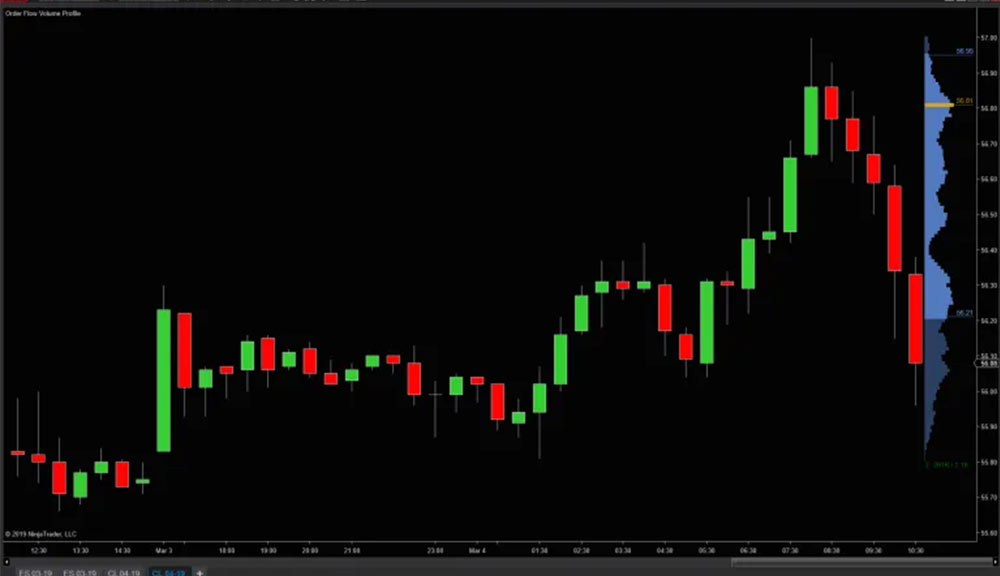
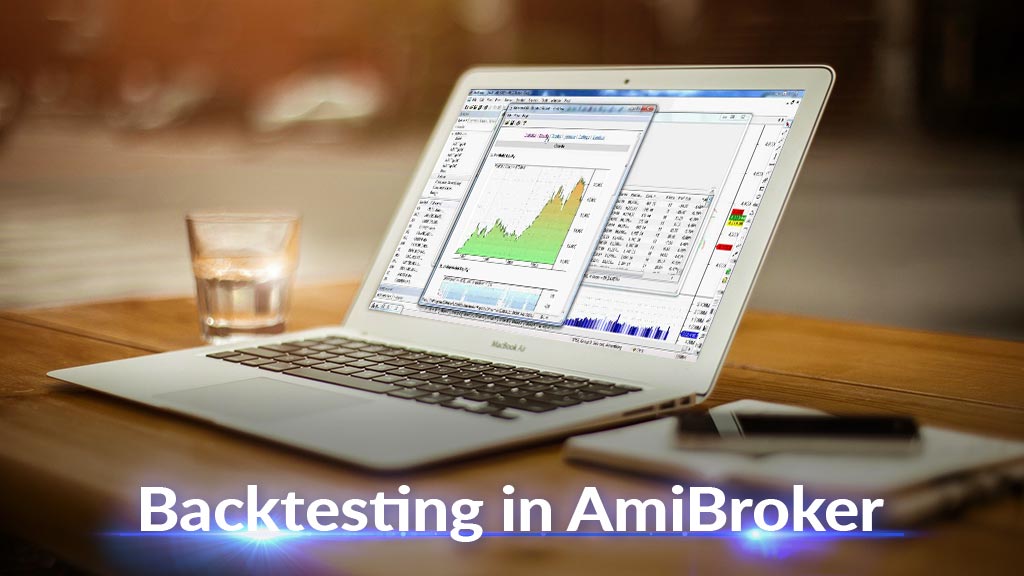
Platforms-for-Backtesting   There are special platforms for Backtesting. Some are Retail Backtesting Platforms like TradeStation, MetaTrader, NinjaTrader, Ambibroker. Some are also Web-Based like QuantConnect, Blueshift. Institutional Backtesting Softwares are Deltix, Quanthouse, AlgoTrader.
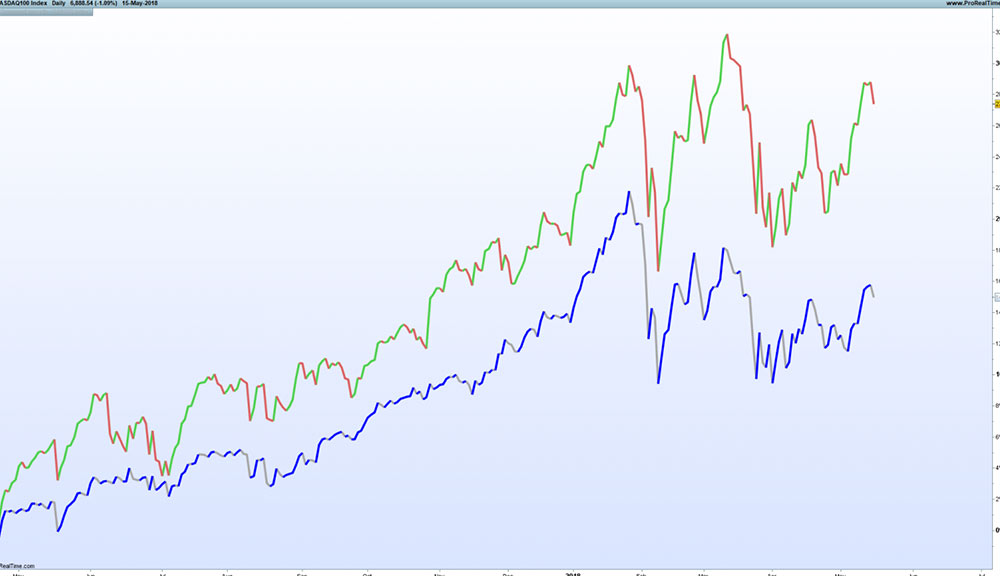
Is Backtesting worth it?

Is-Backtesting-worth-it   Does Backtesting a new strategy really get results for successful trades? Backtesting helps the traders in two major ways:

  • It helps to find out the potential and drawbacks of your strategy. Thus it helps to prevent the losses or reduce them. You can examine when the strategy performs better.
  • It helps the trader to gain confidence while trading. This is because you know what to expect while trading.

Overall, Backtesting can be a very helpful process in the trading system. It can help in the improvisation of the strategies and trade better. The techniques used can also help to look for any mistakes reducing the risk of loss of real money. It helps to give you an idea about the possibilities of your strategy. The conclusion is that if implemented well Backtesting can get results for successful trades.

TrueData Team

Welcome to our blog!

This blog is a collaborative effort and was compiled by multiple members of the TrueData Team

10 Comments
S
Suresh Krishna
· August 06, 2025

Good post

·
Meyhar Singh
Suresh Krishna · August 08, 2025

Thank you so much! Glad you liked our post :-)

·
K
Kenisha
· March 03, 2026

I started backtesting my strategies last year and noticed my win rate improved once I incorporated multiple market conditions into the tests. Would love to see a post on walk-forward testing

·
Meyhar Singh
Kenisha · March 03, 2026

That’s great to hear, incorporating multiple market conditions definitely makes backtests more realistic and robust. Walk-forward testing is a powerful next step, as it helps validate whether a strategy can adapt to changing market regimes instead of being over-optimized to past data. Thanks for the suggestion, we’ll consider covering walk-forward testing in a future post!

·
M
Mohan
· March 03, 2026

when backtesting, how many years of data do you think gives the most reliable results? I’ve seen traders use anything from 1 to 10+ years

·
Meyhar Singh
Mohan · March 03, 2026

There isn’t a single “perfect” number, but generally 5–10 years of data tends to give more reliable results because it captures different market regimes, bull phases, bear markets, high and low volatility periods, and sideways conditions. Using just 1–2 years can be misleading since the strategy may only be tested in one specific environment. That said, the ideal duration also depends on your strategy timeframe, intraday systems may need several years of high-frequency data to generate enough trades, while long-term positional strategies may require a full market cycle. More important than the number of years is ensuring the data covers varied conditions and produces a statistically meaningful sample size of trades.

·
S
Sindhu
· March 04, 2026

Great article! I had a question, how much historical data is considered sufficient for reliable backtesting? Is there a minimum time frame you recommend?

·
Meyhar Singh
Sindhu · March 06, 2026

Thank you for the question! The amount of historical data needed for reliable backtesting usually depends on the trading strategy and timeframe. As a general guideline, many traders prefer using at least 3–5 years of historical data so the strategy can be tested across different market conditions such as bullish, bearish, and sideways phases. For intraday or high-frequency strategies, a large amount of tick or minute-level data covering multiple market cycles is often recommended. The key idea is to test the strategy across enough data to ensure the results are consistent and not based on a short-term market pattern.

·
H
Hari k
· March 04, 2026

Would forward testing on a demo account be enough validation after backtesting, or do you recommend live testing with small capital?

·
Meyhar Singh
Hari k · March 06, 2026

That’s a great question! Forward testing on a demo account is an excellent step after backtesting because it helps verify how the strategy performs in live market conditions without risking capital. However, many traders eventually move to live testing with small capital, as it introduces real-world factors such as slippage, execution delays, and psychological discipline that are difficult to replicate in a demo environment. A common approach is to start with demo forward testing and, once consistent results are observed, gradually transition to trading with a small amount of real capital.

·